Ship Models
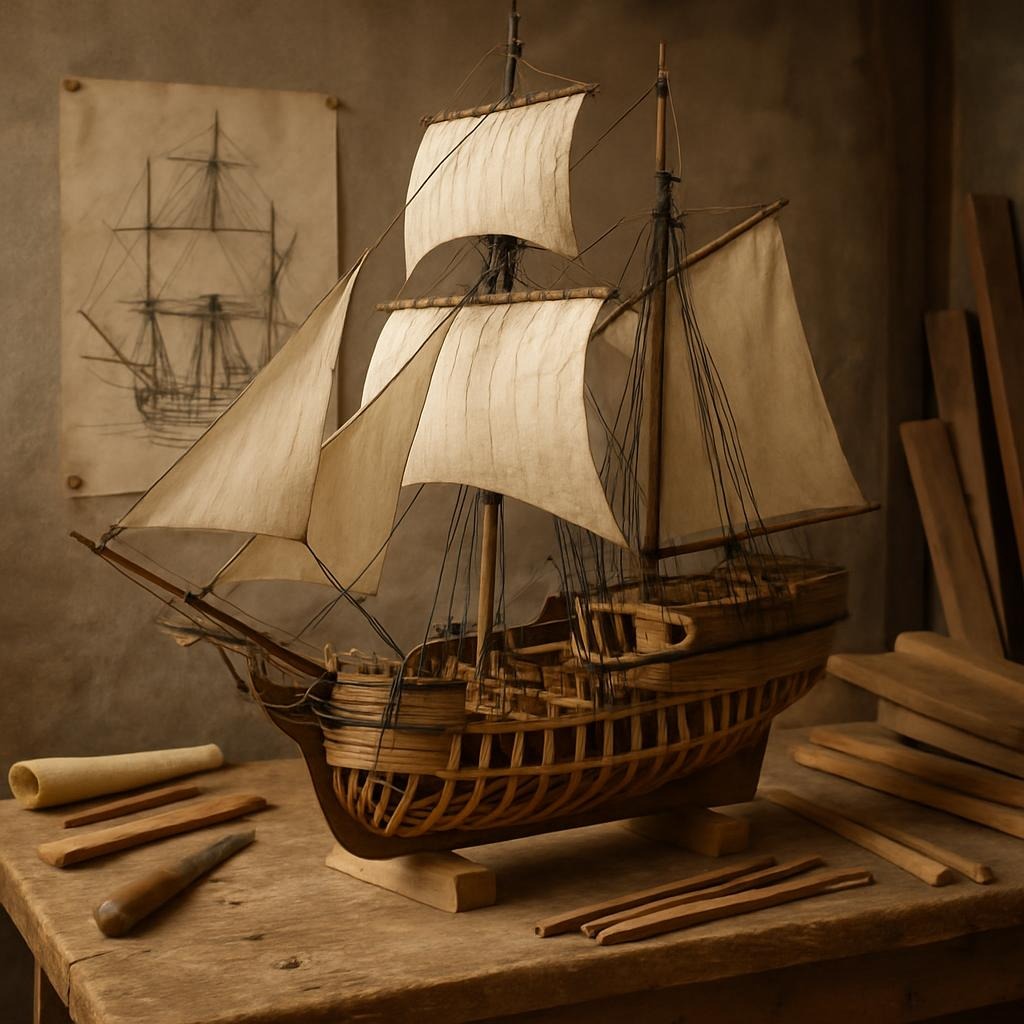
Building ship models can be a beneficial activity after a stroke, aiding in fine motor skill recovery and providing a sense of accomplishment.
It’s quite fiddly work, even without a stroke, and requires oceans of patience (to stay with the maritime theme).
Specialised ergonomic tools designed for people with arthritis can make tasks easier.
While adaptations may be necessary, the challenge of building and the sense of accomplishment can be powerful tools in recovery and rehabilitation.
Recovery Benefits
- The intricate work involved in ship model building, such as cutting, sanding, and rigging, can help rebuild neural pathways and improve fine motor skills.
- Planning and executing the steps involved in building a model, such as fairing the hull (shaping it to be smooth and free of bumps and hollows), can challenge cognitive skills and promote problem-solving.
- Completing a model ship, especially one with intricate details, can provide a significant sense of achievement and boost confidence.
- The focused nature of model building can be a relaxing and therapeutic activity, helping to reduce stress and anxiety.
- Engaging with other model builders through online communities or local clubs can provide social support and opportunities for sharing experiences.
Post-stroke Adaptations
- Start with smaller, less complex kits to build confidence and gradually increase the challenge.
- Adaptive tools like magnifiers, specialised clamps, or ergonomic handles can be helpful for individuals with limited vision or dexterity challenges.
- Many tasks involved in building a model ship, such as rigging, can be made more accessible for stroke survivors with dexterity challenges by using ergonomic tools designed for crocheting and other crafts.